

While we all want to live in a safer Salem, the City Council’s plan of a city-wide payroll tax is not the way to get there. The theory is that increasing the budgets of various public services will translate to more effective firefighting, better police enforcement of laws and codes, improved ambulance response times, and a better approach to our expanding homeless populations.
In a time and economy where money is tight, our elected representatives must reevaluate the taxes they already collect. Employers are expected to do so to ensure the vitality of their businesses. Heads of households must do so to ensure the well-being of their families. We should expect the same level of scrutiny from those we have elected to represent us.
And it’s more than just dollars. We are facing an alarming workforce shortage. The number of retirees is growing much faster than that of new workers, and this is expected to rise. The employment tax will likely hasten this shortage. Meanwhile, many current employees already struggle to make ends meet. The costs of goods and services have increased due to record inflation. According to the Board of Governors of the Federal Reserve System, there has been a 20% increase in credit card utilization over the past year. The data also show that delinquent payments are on the rise.
This tax creates a disadvantage for Salem business owners already struggling to find capable and motivated employees. With an added payroll tax, meeting basic needs would be more possible when working for a company located outside Salem. Without a sufficient number of employees, businesses either run at diminished capacity, close their doors, or move to a more favorable location.
The medical sector has experienced a decline in the number of professionals willing to work the long hours necessary to meet patients’ needs. Due to unrelated economic pressures, primary care practices are struggling to pay competitive wages. Multi-physician and specialty clinics, which require large numbers of employees, struggle to maintain adequate staffing. These factors result in practices being consistently understaffed and unable to operate at full capacity. The result is a relative lack of availability to serve patients. Demand for medical care is projected to increase as the population grows and ages; furthermore, we are seeing an overall shortage of primary care physicians. Healthcare workers are being forced to work harder, faster, and for longer hours, and patients are increasingly frustrated with a difficult-to-access medical system. On July 1, 2024, we plan to reduce the wages of medical employees working in Salem, regardless of their location, further exacerbating the already overburdened local medical system.

I appreciate the City Council’s desire to achieve a “Safe Salem,” and I fully support the police, fire, and emergency services. However, the tax proposal passed 5-4. This does not conclusively demonstrate that our council members believe this is the right path to take, and public comments demonstrate almost no support from the citizens of Salem. Wouldn’t this be a better time to set an example and dedicate long hours to thoroughly analyzing the current state of law enforcement, policy implementation, and protection of the homeless? The responsible course of action would be to critically evaluate our spending and adopt a more disciplined strategy. This is exactly what would be expected of anyone in financial distress. Why don’t we expect the same from our government?
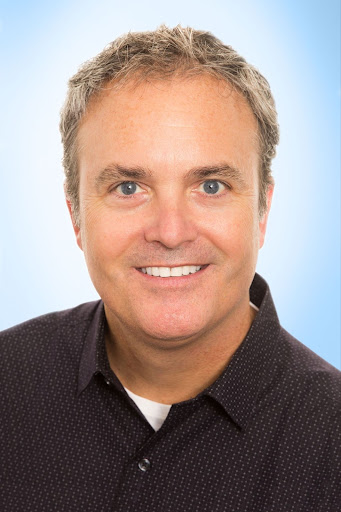
Dr. Vincent Koletar is a Salem-based pediatrician.